
Neutral refractory materials play a crucial role in industrial furnace linings as they maintain chemical stability in both acidic and alkaline environments. Unlike strict acidic or alkaline refractory materials, these materials can adapt well to complex or constantly changing furnace conditions, and are therefore widely used in industries such as steel manufacturing, cement, non-ferrous metallurgy, and waste disposal.
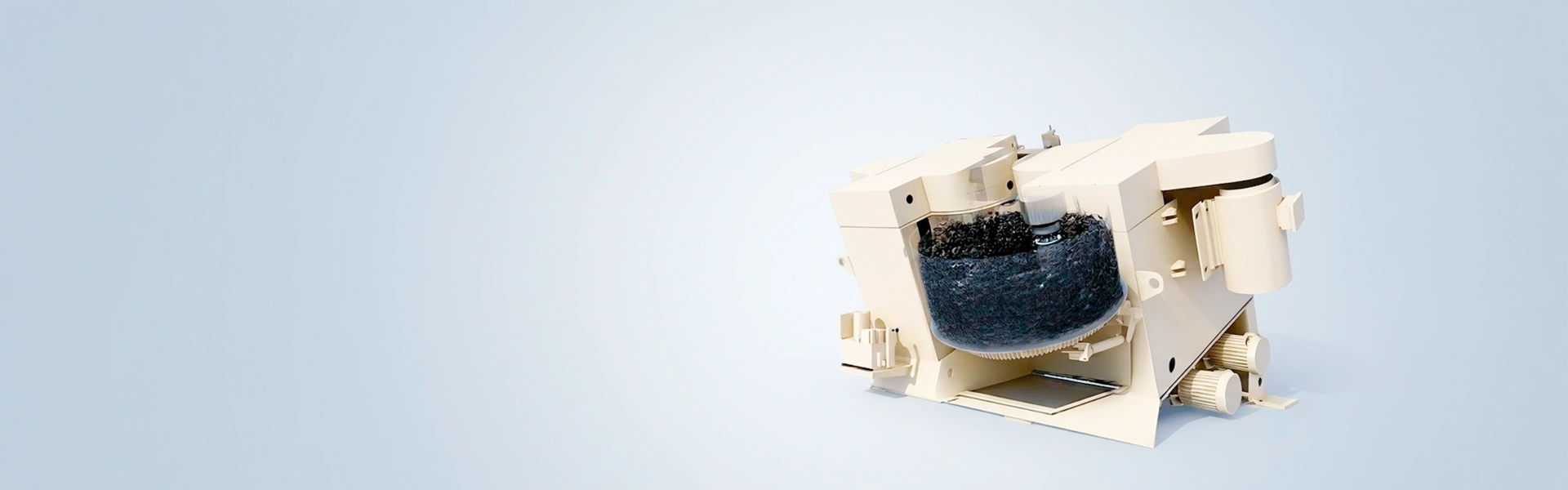
Neutral refractory materials preparation need the professional refractory mixer.

We provide a full range of neutral refractory material solutions, including high alumina bricks, chrome bricks, carbon bricks, silicon carbide products, and integral refractory materials, designed specifically for different furnace areas and working conditions.
The main types of neutral refractory bricks
High alumina brick
High alumina brick is one of the most widely used neutral refractory materials. They typically contain 48% to 90% aluminum oxide (Al ₂ O3), which gives them excellent fire resistance and mechanical strength at high temperatures.
High alumina bricks typically contain 48-90% Al ₂ O3 and can provide balanced performance in various furnace conditions.
Application
• Cement kiln
• Blast furnace
Heating furnace
• Lime kiln
Chromium refractory brick
The main component of chromium bricks is chromium oxide (Cr ₂ O ∝), which has strong chemical corrosion resistance.
Application
• Glass melting furnace
• Nonferrous metal smelting
• Transition zone of cement kiln
carbon brick
Carbon and graphite refractory materials perform best in reducing environments and molten metal contact zones.
Application
• Blast furnace chamber
Aluminum electrolytic cell
Silicon carbide refractory material
Silicon carbide (SiC) material is another important neutral refractory material known for its durability and thermal performance.
Application
• Kiln furniture
• Incinerator
• High wear areas
Neutral integral refractory material
In addition to irregular bricks, many furnace structures also rely on integral refractory materials to achieve flexible installation and more convenient maintenance.
High alumina castable
High alumina castable is a commonly used neutral integral refractory material, consisting of alumina aggregate and refractory binder.
Easy to install
Good structural strength
Suitable for complex shapes
Silicon carbide castable
SiC castables can improve wear resistance and thermal conductivity.
High wear resistance
Good heat shock resistance
Ramming material (neutral) by Muller mixer
Neutral ramming material is used for induction furnaces and high wear areas.
Dense structure after compaction
Good resistance to molten metal
How to choose irregular refractory materials and integral refractory materials by castable refractory mixer
In actual furnace design, the key decision is often not which material to choose, but which shape to choose:
Irregular bricks or integral refractory materials.
When to use shaped refractory bricks
Select bricks according to furnace requirements:
• High structural stability
Accurate geometric shapes and controllable expansion joints
Long term operation with minimal deformation
• Strong load-bearing capacity
Typical areas include:
• Furnace wall and roof
• Load bearing structure
• High temperature static zone
Bricks can provide predictable performance and easier quality control, especially in large industrial furnaces.
When to use integral refractory materials
When the furnace involves the following situations, please choose integral materials:
• Complex shapes or irregular structures
•Properly mixing by Planetary refractory mixer
Frequent maintenance or repair requirements
• Limited installation space
Seamless lining is required
Typical areas include:
• Combustion zone
• A furnace roof with complex geometric shapes
• Maintenance area
• Localized wear area
Integrated refractory materials have the advantages of high flexibility, fast installation speed, and low heat loss at joints.
Combination lining design (most commonly used method)
In most industrial furnaces, engineers do not choose either method, but rather combine the two.
For example:
• Bricks for structural areas
• Suitable for castables in complex or high wear areas
• Bottom ramming material
This hybrid method can improve:
• Overall lining stability
• Service life
• Maintenance efficiency
Manufacturers prefer Kerui Refractory to adopt a monolithic lining solution based on actual furnace conditions, rather than a single material.
Key factors in material selection
In order to select a suitable refractory neutral system, the following aspects must be evaluated:
Necessary information:
•Choose suitable refractory mixer
• Maximum operating temperature
• Slag or material composition
• Furnace type and workspace
Recommended information:
• Thermal cycle frequency
Mechanical stress (wear, impact)
• Previous lining failure situation
Providing accurate working conditions can enable suppliers to recommend more precise and cost-effective solutions.