
Refractory concrete is a special type of concrete made by directly pouring a mixture of aggregates, binders, and additives in a certain proportion. According to the different binders, refractory concrete can be divided into aluminate refractory concrete, water glass refractory concrete, phosphate refractory concrete, and aluminum sulfate refractory concrete. Fire resistant but with simple craftsmanship, it does not require complex concrete. Although the fire resistance and load softening temperature are slightly lower than refractory bricks, the firing process has good plasticity, making it easy to produce complex shaped integral products with low cost and similar lifespan to refractory bricks. Therefore, it is becoming increasingly widely used. Used for furnace lining, furnace doors, furnace walls, and electric furnace tapping troughs in heating furnaces, homogenization furnaces, etc
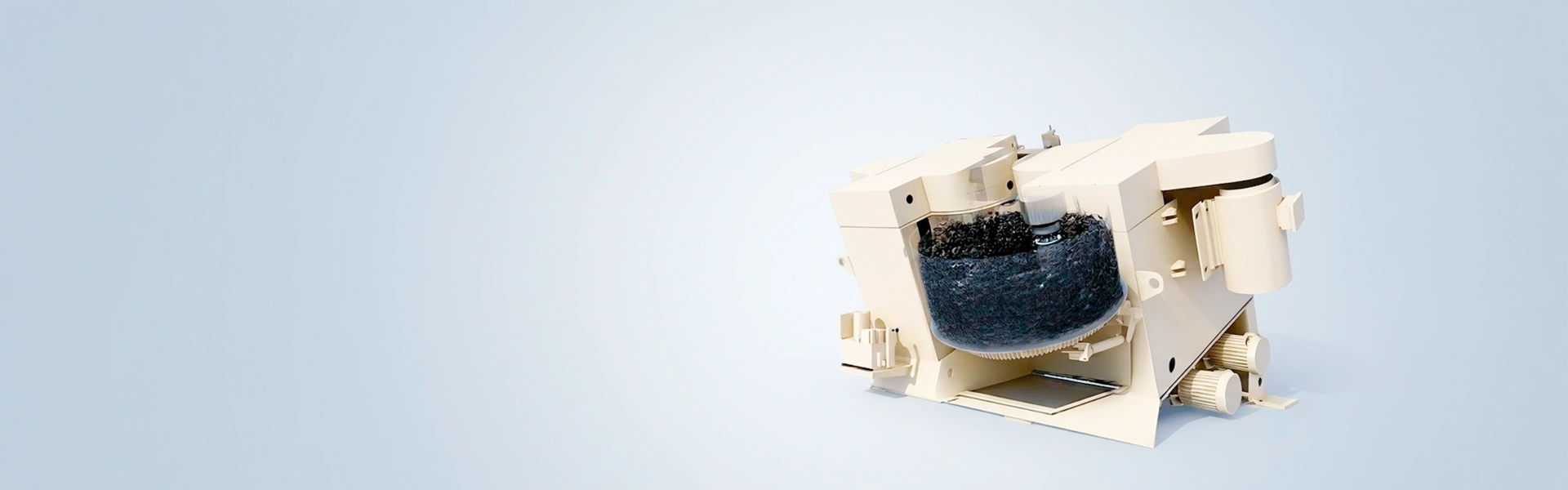
Using intensive refractory mixer adopts the leading edge technology can mix refractory materials more homogenously.

Special concrete made by mixing appropriate cementitious materials by high end refractory mixer, refractory aggregates, admixtures, and water in a certain proportion.
Can maintain the required mechanical properties under long-term exposure to high temperatures above 900 ℃. Its properties depend on the materials and proportions of all aggregates, admixtures, and cementitious materials. Its material, composition, and ingredients are similar to refractory castables.
Refractory aggregates can be made from heavy slag, crushed refractory bricks, basalt, bauxite clinker, sintered magnesia, etc. According to the cementitious material used, it can be divided into silicate cement refractory concrete, aluminate cement refractory concrete, water glass refractory concrete, phosphate refractory concrete, magnesium refractory concrete, etc.
The granular and powdered materials in refractory concrete are called aggregates and admixtures, respectively. The mixture of concrete can be formed by pouring, vibrating, or pounding, and corresponding measures can be taken to promote its hardening according to the hardening characteristics of the cementitious material (such as air hardening, water hardening, thermal hardening, etc.).
Mainly used for constructing the overall lining of industrial kilns and making prefabricated blocks. Among them, those used below 900 ℃ are called heat-resistant concrete, which is used as the foundation and chimney of industrial kilns and thermal equipment.